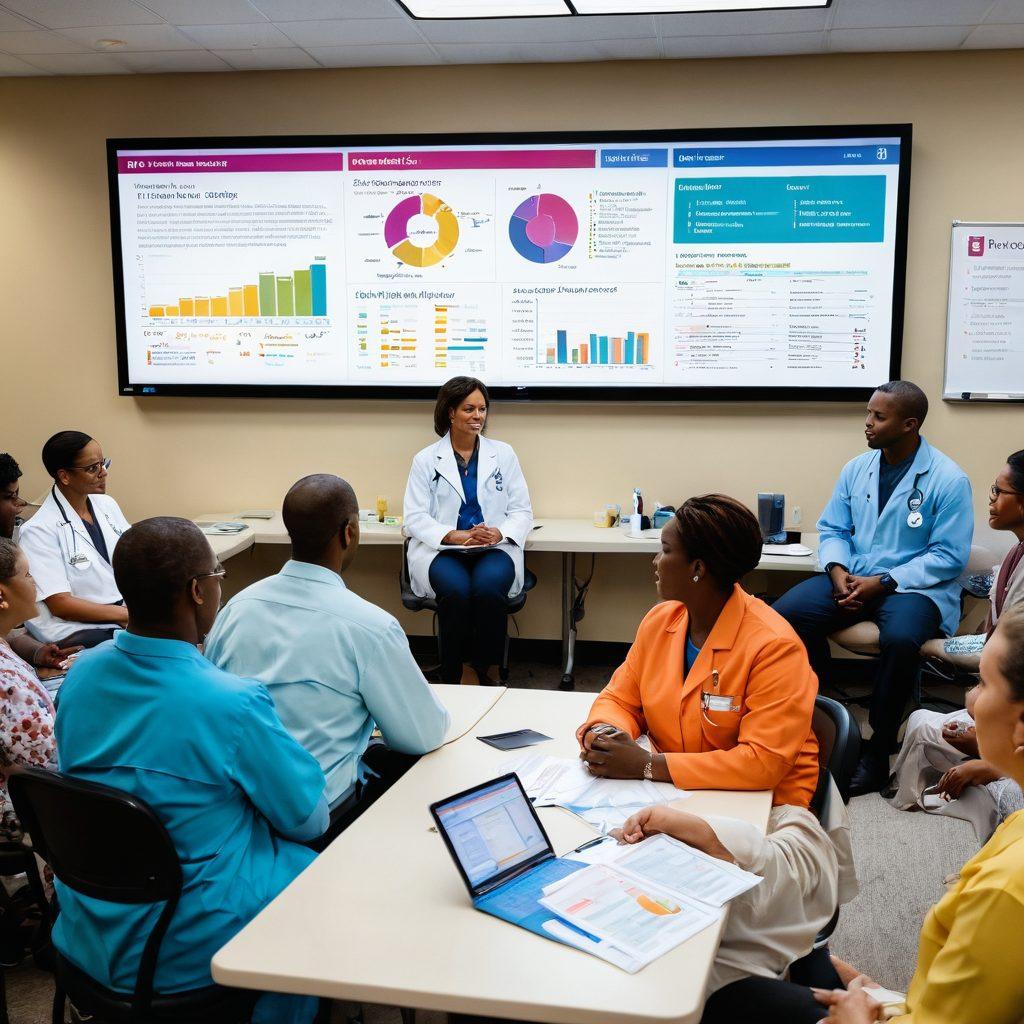
Empowering Your Journey: Comprehensive Insights into Cancer Care and Wellness
Navigating your cancer journey can often feel like sailing in uncharted waters. With a diagnosis of malignancy looming overhead, the first question that may come to mind is, 'What’s next?' Whether you’re newly diagnosed or supporting a loved one, understanding oncology and the myriad of treatment options available is essential. This journey is not just about combating a tumor; it's about empowerment, advocacy, and accessing the support systems that can make a significant difference in your experience. Today, we’ll explore essential strategies for navigating your cancer journey, ensuring you’re equipped with the knowledge and resources needed.
When faced with a carcinoma, the choices can be overwhelming. Treatments like chemotherapy, radiation therapy, and immunotherapy often feel like stepping into the unknown. It’s crucial, therefore, to educate yourself on these procedures and their potential outcomes. Have you ever pondered the importance of early detection? Research consistently shows that identifying cancer at its inception increases survivorship rates dramatically. So, whether it's through health education initiatives or community resources, never underestimate the power of knowledge in this journey.
One of the most vital components of navigation is patient advocacy. Speaking up about your needs and participating in your treatment decisions can foster a partnership that enhances your care. Engaging with support groups and nonprofit organizations can provide comfort, offer personal stories, and build a network of camaraderie among individuals who truly understand your experience. As you traverse your path, remember the words of Maya Angelou: 'I can be changed by what happens to me. But I refuse to be reduced by it.' Let this mantra motivate you to stand up for your needs and prioritize your wellness.
While medical research and clinical studies continue to pave the way for innovative treatments and therapies, there’s also immense value in addressing the holistic approaches to cancer care. Lifestyle changes such as nutrition, exercise, and mindfulness can dramatically affect your overall well-being during and after treatments. Have you considered incorporating palliative care early in your journey? This type of care focuses on symptom management and improving the quality of life, presenting an opportunity to holistically approach your health while engaging with healthcare providers.
Finally, don’t forget the potency of community awareness campaigns. Participating in these initiatives not only aids in spreading awareness but can also connect you with others who inspire, educate, and advocate for change. Harness the collective voice to draw attention to the importance of risk factors and prevention methods in cancer care. The journey through cancer become less daunting when it’s shared, and you’ll discover that together, we can rewrite the narrative of cancer. So, what’s stopping you from taking the first step in advocating for yourself or a loved one today?
From Early Detection to Survivorship: Holistic Approaches to Wellness in Oncology
In the realm of healthcare, the journey through cancer can often feel like navigating a complex maze. Each turn and twist represents a decision point, a symptom, or a moment of emotional turmoil. However, for many, this journey is not just about overcoming a malignancy; it's about embracing a deeper understanding of wellness, from early detection to a fulfilling survivorship. Imagine this: a world where every individual is empowered with knowledge about their health, is aware of the risk factors associated with carcinoma, and engages in proactive measures to enhance their well-being. The key to this empowering journey lies in a holistic approach to oncology, merging medical research with personal stories, patient advocacy, and community resources.
As individuals embark on their cancer journeys, the importance of early detection cannot be overstated. Think about it: what if you could catch a tumor before it advanced? How different might the outcome be? Innovations in healthcare have made strides in early diagnostic techniques, ensuring that patients are informed and equipped with the tools necessary for timely intervention. Symptom management becomes less daunting when supported by a health education framework that encourages individuals to monitor their bodies closely. A proactive stance isn’t just about being reactive to symptoms but embracing a lifestyle that supports early intervention and wellness. If we all became more vigilant about our health, perhaps we could lessen the toll that cancer takes on our communities.
Throughout history, medical research has shown the potential benefits of various treatment modalities such as chemotherapy, radiation therapy, and immunotherapy. But what about the human side of oncology? Here, the capacity for personalized treatment becomes a conversation between patients and healthcare providers. It's about understanding that behind every carcinoma diagnosis, there is a unique individual with dreams, support systems, and fears. Support groups play a vital role in this journey, providing avenues for shared experiences and emotional healing. After all, who better to understand than someone who has walked a similar path? The power of community cannot be underestimated, particularly when nonprofit organizations rally voices for cancer awareness campaigns, ensuring that no one faces these treacherous waters alone.
Palliative care aims to improve the quality of life for patients battling cancer, focusing not just on the physical but also on the emotional and psychological aspects of their journey. This is where the concept of holistic approaches comes into play. It emphasizes the need for lifestyle changes that encompass nutrition, mental health, and supportive therapies such as art and music. Have you ever wondered how a simple dietary change can impact treatment outcomes? Studies have shown that a well-balanced diet enriched with fruits, vegetables, and whole grains can bolster the body’s defenses and improve resilience against treatment side effects. The journey toward wellness isn’t solely about combating the disease; it’s also about enriching life with quality and purpose.
Survivorship extends beyond the conclusion of treatment and into a continuous commitment to health and wellness. It is a period ripe with potential—a chance for individuals to redefine their lives and advocate for their needs and desires. Health blogs and cancer awareness campaigns empower survivors to share their personal stories, fostering a sense of connection that reverberates through the community. How can individual narratives inspire hope and change? Consider how stories of resilience can serve as both a beacon for those newly diagnosed and as a guide for navigating life after cancer. Each story shared can lead to a greater understanding among peers, giving strength to advocate for oneself in the journey of survivorship, and illuminating the importance of ongoing support and education. This is not just a fight; it’s a shared journey toward a hopeful future.
Empowering Patients: Harnessing Community Resources and Medical Insights for Cancer Care
Navigating the world of oncology can feel like walking through a labyrinth. Each twist and turn is filled with crucial information about malignancies and their treatment, from carcinoma to the myriad of therapies available, including chemotherapy, radiation therapy, and even immunotherapy. But here's the good news: you don’t have to embark on this journey alone. By harnessing community resources and tapping into the wealth of medical insights available, patients can empower themselves to take charge of their cancer care and wellness. So, how do we harness these resources? Let’s explore this together!
Picture this: a newly diagnosed cancer patient sitting in a sterile healthcare office, bombarded with technical jargon and a whirlwind of emotions. The fear of the unknown permeates the air, but amidst this chaos lies an opportunity for empowerment. What if the patient knew they could reach out to local nonprofit organizations, support groups, and cancer awareness campaigns that not only provide information but also foster a sense of community? By connecting with others who have walked the same path, patients can share experiences and personal stories, enriching their journey with knowledge, hope, and camaraderie.
Community resources are like guiding stars in the oftentimes dimly lit sky of cancer care. These invaluable networks offer a plethora of options ranging from health education to patient support initiatives. Imagine attending a workshop presented by experts in clinical studies focused on early detection and symptom management. Or participating in tailored wellness programs that emphasize lifestyle changes conducive to improving quality of life. These resources not only arm patients with information but also connect them to like-minded individuals who can offer support and understanding during one of life’s most challenging battles.
Let’s take a moment to reflect: in healthcare, knowledge truly is power. The more informed patients are about their diagnosis, treatment options, and potential side effects, the better equipped they will be to advocate for themselves. This is where patient advocacy comes into play—an essential component of cancer care that encourages individuals to voice their concerns, ask questions, and participate actively in their treatment plans. Why wait for a rainy day when you can prepare your umbrella now? Knowledge about risk factors and personalized treatment options can lead to more effective survivorship plans, ensuring that patients feel like active participants rather than passive recipients of their care.
In the end, empowering patients through the lens of community resources and medical insights isn’t just a lofty goal—it’s an actionable path toward hope and healing. By utilizing health blogs to share experiences, and engaging with holistic approaches to treatment, we can inspire each other to thrive even in the face of a tumor. As you embark on your health journey, remember: it’s not just about fighting malignancy; it’s about fostering wellness and cherishing every small victory along the way. Are you ready to be your own best advocate?